

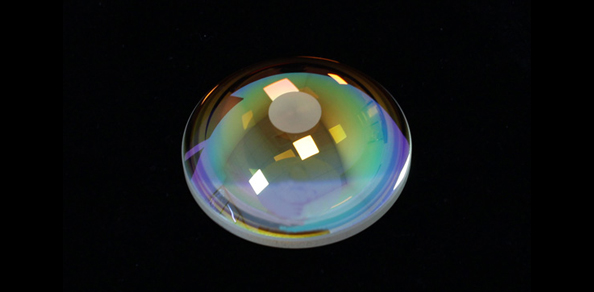
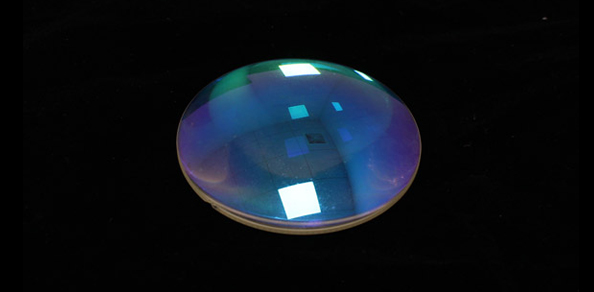
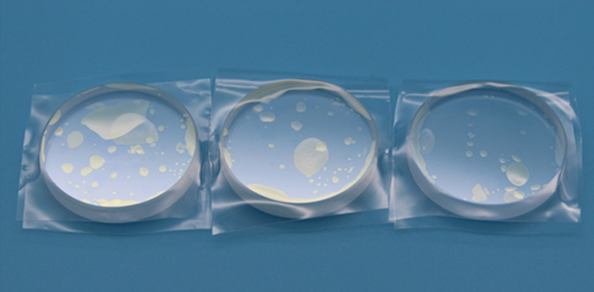
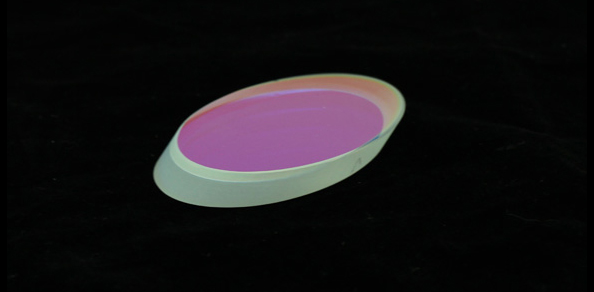
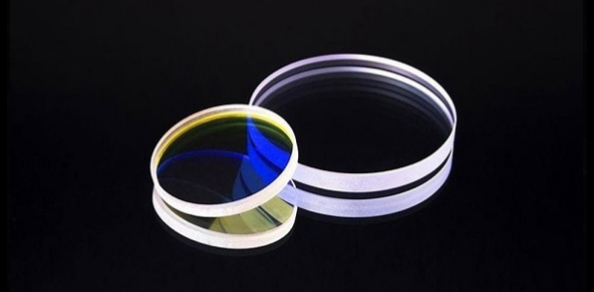
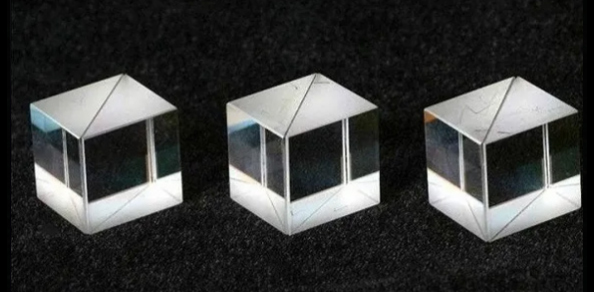

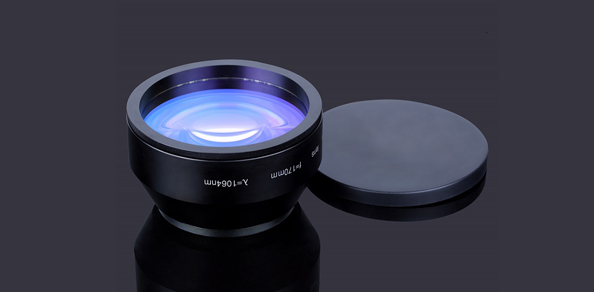



All optical components are precision instruments, especially optical filters, which are easily scratched on their surface.Improper cleaning and storage methods may damage the filter's coating layer, reduce its application performance and shorten its service life.Therefore, the correct maintenance method is extremely important.
Small details to pay attention to during the use of optical glass filters:
1、During normal use, handle the filter carefully when retrieving or placing the filter, while also paying attention to the external environment to avoid scratching the filter with clothing zippers, buttons, etc., or placing the filter in a dirty or dusty environment.
2、When handing the filter, wear finger cots to prevent salt and acidic substances from corroding the surface of the substrate.
3、When taking out the filter, hold the edge of the filter with your hand, and even with finger cots, do not touch the optical surface of the filter.
4、The filter should be placed on a soft and clean object, not on glass, metal, a table, or unclean paper.
5、For storage, wrap the filter in clean capacitor paper or specialized lens cleaning paper. The recommended storage temperature is around 23 ℃, and humidity should not exceed 40%. It is best stored in a dry cabinet.
6、When stains are found on the surface, they should be cleaned immediately. Dust can easily scratch the surface, and acidic substances accidentally left by fingers remain in contact for too long, they can easily react chemically with the surface coating material, becoming permanent laser lens stains.
7、If there are stains or fingerprints on the surface, they can be wiped with anhydrous ethanol or similar functional solvents.The specific method is as follows: put dust-free finger cots on your fingers, soak a towel in anhydrous ethanol, wipe in a single direction on the surface of the filter.Apply as little force as possible during the wiping process, as excessive pressure may damage the surface of the filter.The purpose of using solvents is to dissolve the viscous attachments on viscous residues on the surface.However, it is worth noting that any cleaning may affect the surface quality at the microscopic level.
8、Do not stack filters together to avoid wear and tear.